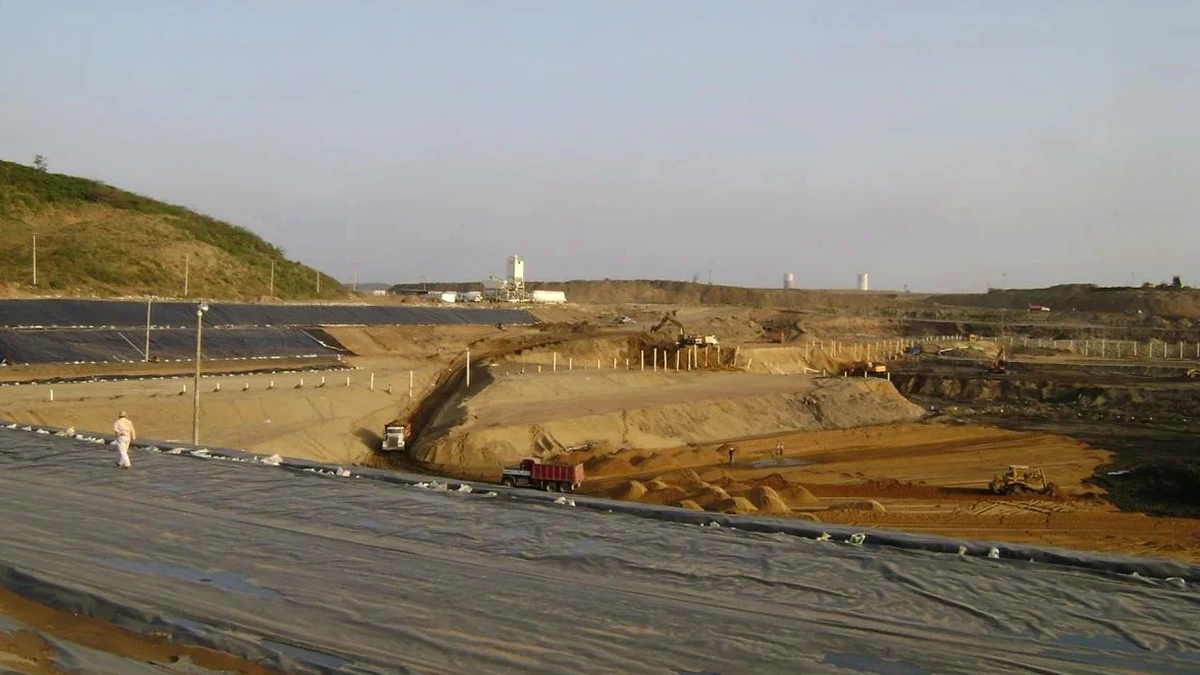
Abbotsford sits on a complex glacial footprint where Sumas clay lenses and dense till can appear in the same cut face, just meters apart. Groundwater often sits high, fed by the Fraser Valley aquifer, so any excavation deeper than 4.5 meters quickly becomes a shoring and dewatering challenge. Our team designs cut sequences, bracing layouts, and wall sections that work with the actual stratigraphy encountered in the Matsqui and Sumas Prairie zones, not against it. For sites near the Abbotsford-Mission fault trace, lateral earth pressures get checked under NBCC 2020 seismic demands before a single bucket enters the ground. When borehole data shows soft clay over stiff till, we often run an SPT drilling program inside the footprint to refine the design section before finalizing the shoring takeoff.
In Abbotsford, the biggest variable in deep excavation design is not the wall section — it is the Sumas clay lens you didn’t catch in the borehole grid.
Process and scope
CSA A23.3 governs the structural side of soldier pile and lagging walls, but in Abbotsford the controlling factors are usually geotechnical: undrained shear strength of the Sumas clay, relaxation time before lagging installation, and seasonal recharge of the perched water table. We model staged excavation in PLAXIS 2D, running sensitivity checks on the till interface position and the depth to the cobble layer that underlies much of south Abbotsford. Tieback anchors where feasible; internal bracing where adjacent structures or right-of-way constraints limit easement. For cuts exceeding 6 meters in low-plasticity silt, we specify a monitoring plan that includes inclinometers on the retained side and survey prisms on neighboring footings. The design package includes a formal excavation safety plan aligned with WorkSafeBC Part 20, something that contractors in the Lower Mainland expect before mobilizing.
Regulatory framework
NBCC 2020 – Part 4 Structural Design, Division B, CSA A23.3-19 – Design of Concrete Structures (soldier pile / secant wall sections), CAN/CSA-S6-19 – Canadian Highway Bridge Design Code (retained fills adjacent to roadways), ASTM D1586-18 – Standard Test Method for Standard Penetration Test (SPT) and Split-Barrel Sampling, ASTM D2488-17 – Visual-Manual Description of Soils (logging Sumas clay / glacial till)
Common questions
What geotechnical information do you need to start a deep excavation design in Abbotsford?
We require a borehole log within the excavation footprint that extends at least 6 meters below the proposed subgrade, plus laboratory strength data on the Sumas clay if present. Groundwater monitoring over at least one wet season is strongly recommended. With that data, we can model staged excavation in PLAXIS and size the wall section to NBCC 2020 requirements.
How much does deep excavation design cost for a typical Abbotsford project?
Fees generally range from CA$2,440 for a straightforward single-family lot cut to CA$10,640 for a multi-level parkade with tieback walls, bracing, and instrumentation plans. The final cost depends on excavation depth, proximity to adjacent structures, and the complexity of the groundwater control strategy.
Do you handle the structural design of the shoring wall or just the geotechnical parameters?
We deliver the complete structural-geotechnical design, including pile section selection, waler sizing, tieback bond length, and bracing member forces. All structural elements comply with CSA A23.3 and are stamped by a BC-registered engineer. Contractors receive a full IFC drawing set ready for construction.
What monitoring is required during excavation in Abbotsford’s clay soils?
At minimum, we specify inclinometers behind the wall and survey prisms on any structure within the zone of influence. In saturated Sumas clay, vibrating-wire piezometers track pore pressure changes so we can compare real-time readings with the design model. Monitoring frequency is tied to excavation stages and trigger levels defined in the safety plan.